What Can I Put in a Dumpster Rental in Augusta?
When planning a cleanup, renovation, or construction project, understanding what can and cannot go into a dumpster is essential. Whether you are cleaning out a home, remodeling a kitchen, or managing a commercial job site, using a dumpster is one of the most efficient ways to handle waste. Many residents and businesses searching for dumpster rental Augusta services want to know exactly what materials are acceptable before scheduling delivery.
Proper waste disposal helps keep projects organized, prevents safety hazards, and ensures compliance with local regulations. Placing prohibited items in a dumpster can result in additional fees or disposal issues. By knowing what items are accepted, you can maximize the value of your rental while avoiding unnecessary complications. This guide explains the most common materials allowed in dumpster rentals and highlights items that may require special handling in Augusta.
Household Junk and General Waste
One of the most common uses for dumpster rentals is removing household clutter. Over time, garages, basements, attics, and storage rooms can accumulate unwanted items that take up valuable space. A dumpster provides a convenient solution for disposing of these materials during a cleanout project.
Most household junk is accepted in a dumpster rental. This includes old toys, broken furniture, boxes, clothing, decorations, and miscellaneous non-hazardous items. Homeowners often use dumpsters when preparing a property for sale, downsizing, or recovering from years of accumulated clutter.
General household waste generated during large-scale cleanups can also be placed in the container. However, it is important to avoid mixing prohibited materials with standard junk. While most non-hazardous household items are acceptable, hazardous chemicals and certain electronics may require alternative disposal methods.
A dumpster helps simplify the cleanup process by allowing everything to be collected in one location. Instead of making multiple trips to a landfill, homeowners can focus on completing their project while waste is removed efficiently.
Furniture and Large Household Items
Furniture removal is another popular reason people rent dumpsters. Replacing outdated furniture can quickly generate large amounts of waste that are difficult to manage through standard curbside collection services.
Most dumpster rentals can accommodate couches, recliners, mattresses, tables, chairs, desks, dressers, and entertainment centers. These bulky items often take up significant space in a home and can be challenging to transport independently.
During home renovations or estate cleanouts, furniture removal becomes even more important. A dumpster allows property owners to dispose of multiple large items at once without coordinating separate pickup services.
Before loading oversized furniture, it may be beneficial to break down certain pieces to maximize available space inside the container. Removing legs from tables or disassembling shelving units can improve loading efficiency.
Using a dumpster for furniture disposal saves time and reduces stress while keeping your property organized throughout the cleanup process.
Construction and Remodeling Debris
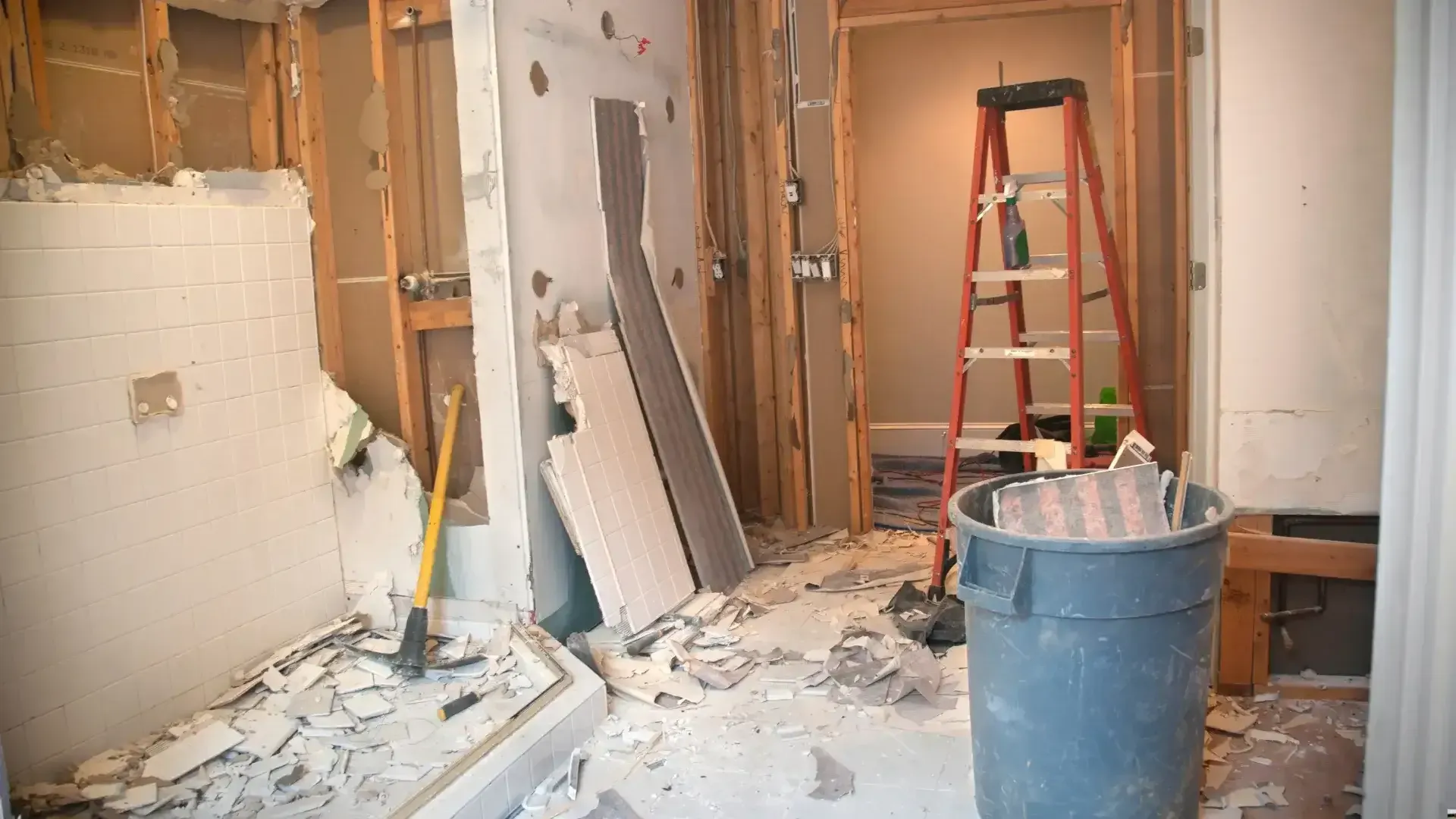
Construction projects generate substantial amounts of debris. Whether you're renovating a bathroom, upgrading a kitchen, or completing a home addition, dumpsters provide an effective solution for handling construction waste.
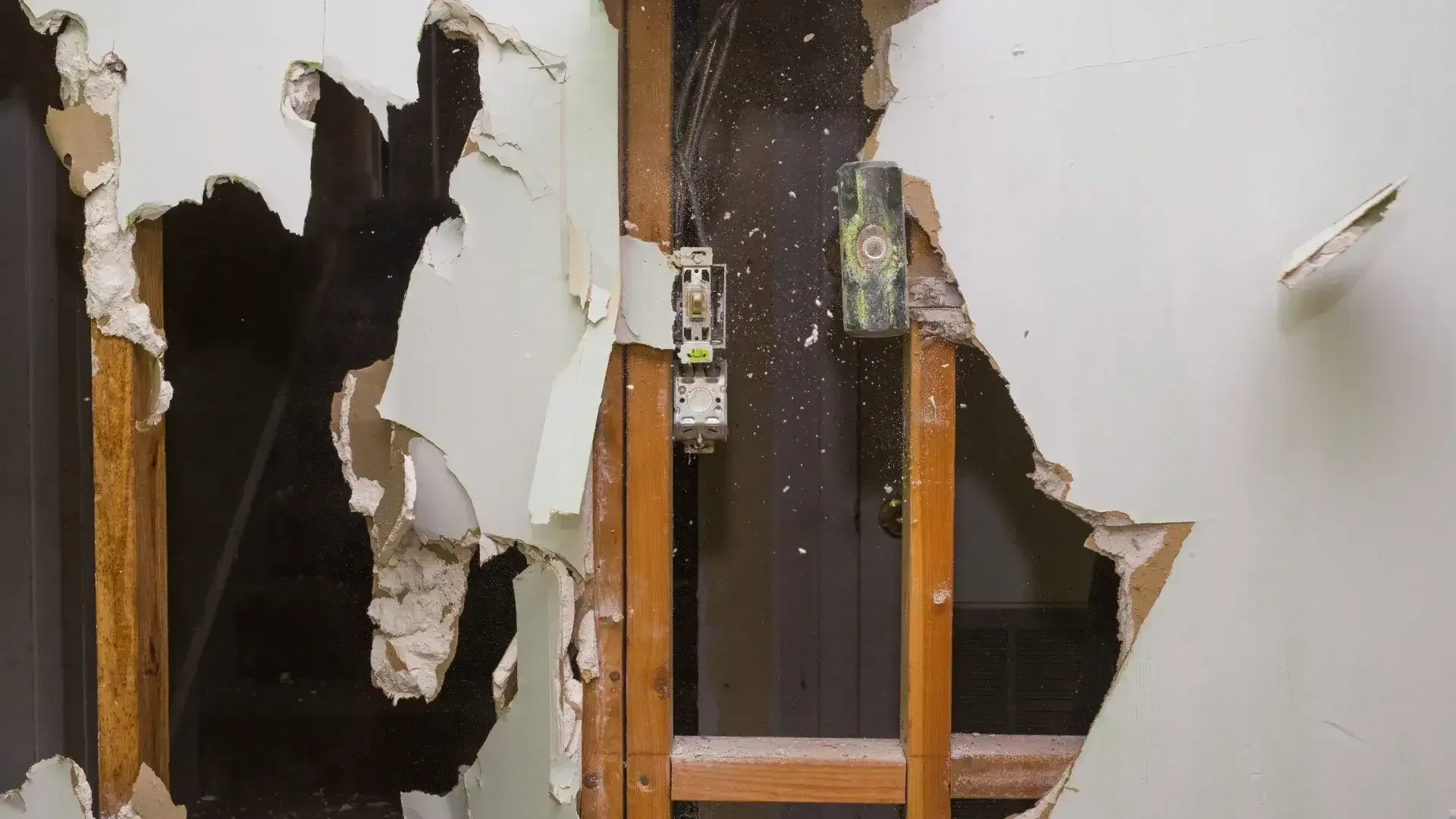
Accepted materials typically include drywall, lumber, insulation, roofing shingles, flooring, tile, cabinets, and demolition debris. Contractors and homeowners alike rely on dumpsters to keep job sites clean and safe.
The convenience of a dumpster allows workers to dispose of waste immediately rather than creating piles around the property. This improves productivity and reduces potential safety risks.
Many people seeking
dumpster rental Augusta options are completing renovation projects and need reliable waste management. Renting a dumpster helps ensure debris is contained and removed promptly after the project is completed.
Yard Waste and Landscaping Debris
Landscaping projects often create large amounts of organic waste that exceed standard residential trash collection limits. Dumpster rentals are ideal for handling these materials efficiently.
Common yard waste includes tree branches, leaves, grass clippings, shrubs, bushes, and garden debris. Property owners frequently use dumpsters during seasonal cleanups, storm recovery efforts, and major landscaping renovations.
Large landscaping projects may also generate dirt, sod, and small amounts of natural debris. Depending on the type and quantity of material, specific guidelines may apply.
Keeping yard waste contained in a dumpster prevents debris from spreading across the property and simplifies cleanup efforts. This is especially helpful when removing overgrown vegetation or preparing land for development.
Roofing Materials
Roof replacement projects generate significant waste in a relatively short period of time. Dumpster rentals provide a centralized location for collecting roofing debris as old materials are removed.
Most dumpsters accept asphalt shingles, roofing felt, underlayment, flashing, nails, and related roofing materials. Roofing contractors commonly use dumpsters to maintain a safer and more organized work environment.
Because roofing materials can be surprisingly heavy, selecting the appropriate dumpster size is important. Weight limits vary depending on the container and disposal regulations.
Using a dumpster allows roofing crews to remove debris quickly while minimizing hazards around the property. Homeowners also benefit from faster project completion and improved site cleanliness.
Wood, Lumber, and Building Materials
Wood waste is commonly generated during construction, remodeling, and demolition projects. Dumpster rentals can typically accommodate a variety of lumber and building materials.
Accepted wood products often include framing lumber, plywood, pallets, fencing materials, trim, and non-treated wood debris. These materials frequently accumulate during renovation work and require efficient disposal.
Contractors appreciate the convenience of having a designated container nearby, allowing crews to maintain a cleaner and safer workspace. Homeowners completing DIY projects can also benefit from simplified waste removal.
Depending on local regulations, treated wood may require special handling. It is always advisable to confirm disposal guidelines before loading large quantities into a dumpster.
Flooring and Interior Renovation Materials
Flooring replacement projects often produce more debris than homeowners expect. Old flooring materials can quickly fill garbage bins, making dumpster rentals a practical alternative.
Most dumpsters accept carpet, laminate flooring, hardwood flooring, tile, vinyl planks, and underlayment materials. Interior renovation projects may also generate drywall scraps, trim, and related waste.
Removing outdated flooring is often the first step in a renovation, and having a dumpster available streamlines the entire process. Waste can be discarded immediately rather than stored temporarily around the home.
For larger renovation projects, combining flooring debris with other remodeling waste can maximize the value of the rental. This approach keeps the project site cleaner and more organized throughout the renovation.
What Items Cannot Go in a Dumpster?
While dumpsters accept many types of waste, certain materials are generally prohibited due to environmental and safety regulations.
Hazardous materials such as paint, chemicals, pesticides, solvents, gasoline, motor oil, and cleaning agents typically require specialized disposal methods. These substances can pose risks during transportation and landfill processing.
Other commonly restricted items may include batteries, tires, propane tanks, asbestos-containing materials, medical waste, and certain electronics. Disposal requirements vary depending on local regulations and facility policies.
Before loading questionable materials, contact your dumpster rental provider for guidance. They can explain local disposal rules and recommend appropriate alternatives when necessary.
Tips for Loading Your Dumpster Efficiently
Proper loading techniques can help maximize available space and improve safety throughout your project. Planning ahead ensures you get the most value from your rental.
Start by placing large, bulky items at the bottom of the dumpster. This creates a stable foundation and allows smaller debris to fill gaps effectively. Breaking down furniture and large materials can further increase capacity.
Distribute weight evenly throughout the container to prevent overloading one side. This helps ensure safe transportation when the dumpster is picked up.
Avoid filling materials above the top edge of the container. Overfilled dumpsters may not be transportable and could require additional adjustments before removal.
Choosing the Right Dumpster for Your Project
Selecting the proper dumpster size is an important part of any cleanup or construction project. The right container helps avoid unnecessary expenses and ensures adequate capacity.
Smaller dumpsters are often ideal for household cleanouts, minor renovations, and yard cleanup projects. Medium-sized containers work well for larger remodeling jobs and extensive decluttering efforts.
Major construction projects, roof replacements, and commercial cleanouts may require larger containers capable of handling substantial volumes of debris. Discussing project details with your provider can help determine the best option.
Choosing the appropriate size prevents wasted space while reducing the likelihood of needing additional rentals. A properly sized dumpster supports efficient project completion from beginning to end.
Conclusion
Knowing what can be placed in a dumpster helps ensure a smooth and efficient cleanup process. Household junk, furniture, construction debris, yard waste, roofing materials, wood, and flooring materials are commonly accepted in most rentals. At the same time, hazardous chemicals, batteries, tires, and other restricted items often require special disposal methods. Understanding these guidelines helps you avoid delays, additional costs, and compliance issues.
If you're planning a cleanup, renovation, landscaping project, or construction job, Hinkins Disposal LLC is ready to help with reliable dumpster rental services in Augusta. Their team can assist you in selecting the right dumpster size and provide guidance on acceptable materials. For more information or to schedule a rental, call 706-885-4032 today and simplify your waste removal project.
https://damagecris69.podbean.com/e/what-can-i-put-in-a-dumpster-rental-in-augusta/
https://www.podomatic.com/podcasts/damagecris69podcast/episodes/2026-07-13T08_36_06-07_00
https://stream.redcircle.com/episodes/73308113-bd04-49f4-896c-ca5f88a536f9/stream.mp3